Robo-Advisors & Real Returns: Investing with Algorithms

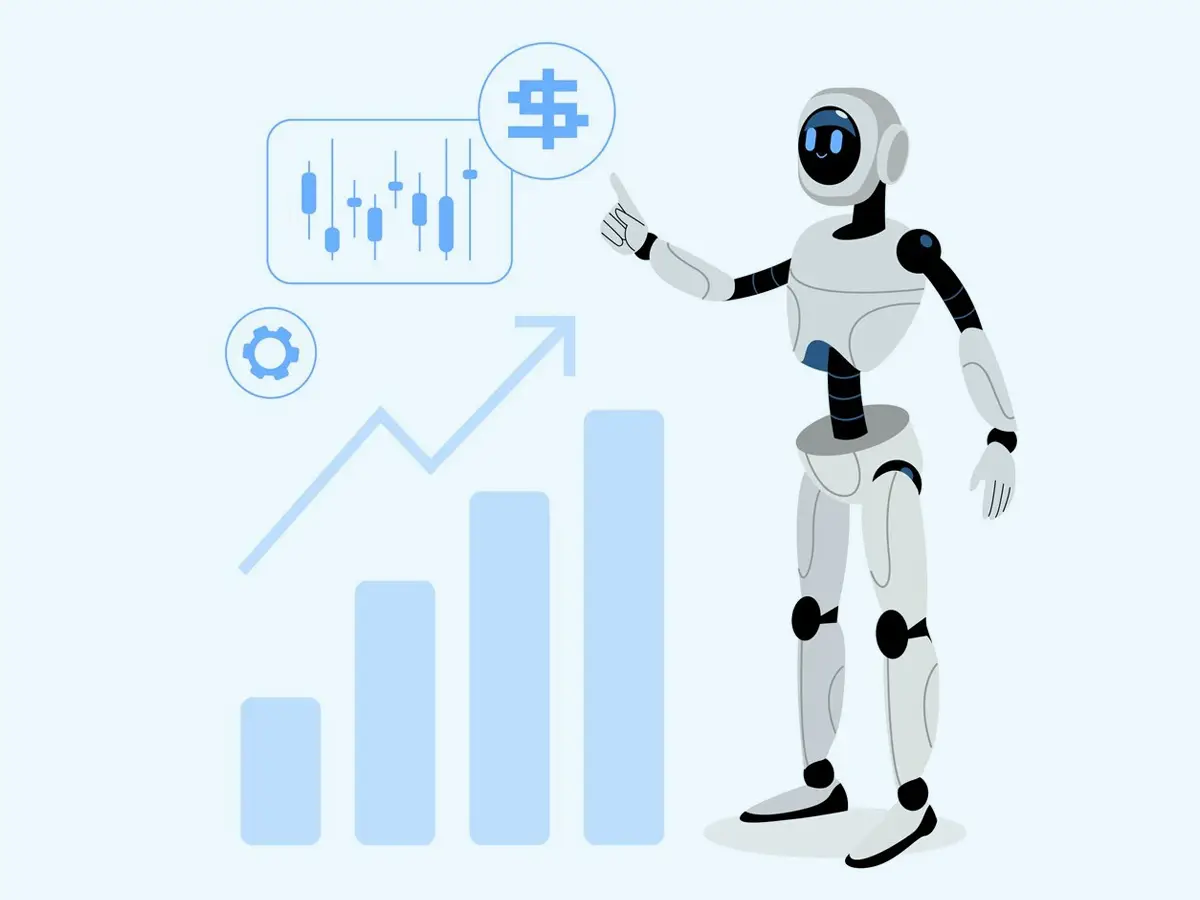
The investment world has undergone a dramatic shift in recent years, driven by the rise of robo-advisors—digital platforms that use algorithms and data to automate investment decisions. These tools are making investing more accessible, affordable, and efficient for everyday people, eliminating the need for traditional financial advisors and high fees. By analyzing individual goals, risk tolerance, and market trends, robo-advisors build and manage portfolios with precision, consistency, and minimal human intervention. What once required deep financial knowledge and large capital can now be done with a smartphone and a few clicks. As a result, investing has become democratized, enabling more people than ever to pursue real returns and long-term wealth building through technology.

How Robo-Advisors Work

Robo-advisors function by collecting key information from users—such as income, age, financial goals, and risk appetite—and then using algorithms to construct a personalized investment portfolio. These platforms often invest in diversified, low-cost exchange-traded funds (ETFs) and automatically rebalance portfolios over time to maintain the desired risk level. Some also offer tax-loss harvesting and retirement planning features that were previously only available through high-end wealth managers.

Accessibility and Low Fees

One of the biggest advantages of robo-advisors is cost-efficiency. Traditional financial advisors may charge 1% or more in annual fees, whereas robo-advisors typically charge between 0.25% and 0.50%. Many also have low or no minimum investment requirements, making them ideal for beginners or those with modest capital. This accessibility opens the door for a new generation of investors who may have felt excluded from the market in the past.

Performance and Real Returns

While robo-advisors don’t promise to “beat the market,” they focus on long-term growth, diversification, and risk management. Their reliance on passive investment strategies and evidence-based models helps reduce emotional decision-making and market-timing mistakes—two of the biggest pitfalls for human investors. Over time, this disciplined approach can lead to real, sustainable returns that align with investors’ financial goals.

Human Touch vs. Full Automation

Although robo-advisors are fully digital, many platforms now offer hybrid services that combine automated investing with access to human financial advisors. This allows users to get the best of both worlds—smart, algorithm-driven investing paired with personal financial guidance when needed. For more complex needs like estate planning or tax strategy, this combination is especially valuable.


  • Related Posts

    • January 16, 2026
    The Intersection of IoT and FinTech: New Financial Possibilities

    The convergence of the Internet of Things (IoT) and FinTech is unlocking groundbreaking financial possibilities by combining vast networks of connected devices with innovative financial technologies. IoT generates continuous streams…

    • January 16, 2026
    FinTech’s Influence on Corporate Treasury Optimization

    FinTech is fundamentally reshaping corporate treasury functions by introducing innovative technologies that enhance liquidity management, cash forecasting, and risk mitigation. Traditional treasury operations, often hampered by manual processes and fragmented…

    Leave a Reply

    Your email address will not be published. Required fields are marked *

    You Missed

    The Intersection of IoT and FinTech: New Financial Possibilities

    • By admin
    • January 16, 2026
    • 367 views
    The Intersection of IoT and FinTech: New Financial Possibilities

    FinTech’s Influence on Corporate Treasury Optimization

    • By admin
    • January 16, 2026
    • 416 views
    FinTech’s Influence on Corporate Treasury Optimization

    The New Age of Financial Collaboration: FinTech Ecosystems

    • By admin
    • January 15, 2026
    • 402 views
    The New Age of Financial Collaboration: FinTech Ecosystems

    Why FinTech Should Be at the Heart of Your Digital Strategy

    • By admin
    • January 15, 2026
    • 376 views
    Why FinTech Should Be at the Heart of Your Digital Strategy

    The Impact of FinTech on Financial Data Transparency

    • By admin
    • January 14, 2026
    • 390 views
    The Impact of FinTech on Financial Data Transparency

    Transforming Wealth Management with FinTech Innovations

    • By admin
    • January 14, 2026
    • 343 views
    Transforming Wealth Management with FinTech Innovations

    Unlocking Liquidity with FinTech in Corporate Markets

    • By admin
    • January 13, 2026
    • 341 views
    Unlocking Liquidity with FinTech in Corporate Markets

    How FinTech is Accelerating Regulatory Compliance for Firms

    • By admin
    • January 13, 2026
    • 322 views
    How FinTech is Accelerating Regulatory Compliance for Firms

    The Rise of Decentralized Finance (DeFi) in Corporate Finance

    • By admin
    • January 12, 2026
    • 379 views
    The Rise of Decentralized Finance (DeFi) in Corporate Finance

    Leveraging Big Data to Drive Financial Strategy with FinTech

    • By admin
    • January 12, 2026
    • 347 views
    Leveraging Big Data to Drive Financial Strategy with FinTech

    Decoding Fintech: Tools Reshaping Personal Finance

    • By admin
    • January 9, 2026
    • 364 views
    Decoding Fintech: Tools Reshaping Personal Finance

    The Cashless Shift: Future of Payments in a Digital Age

    • By admin
    • January 9, 2026
    • 334 views
    The Cashless Shift: Future of Payments in a Digital Age

    Beyond Banks: Exploring the Fintech Revolution

    • By admin
    • January 8, 2026
    • 328 views
    Beyond Banks: Exploring the Fintech Revolution

    Banking on the Future: How Tech is Transforming Finance

    • By admin
    • January 8, 2026
    • 400 views
    Banking on the Future: How Tech is Transforming Finance