The Evolution of Peer-to-Peer Lending Platforms in 2025

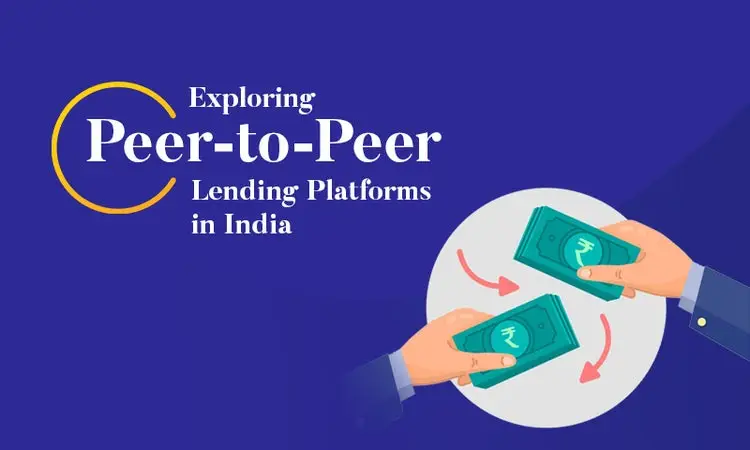
By 2025, peer-to-peer (P2P) lending platforms have undergone significant transformation, reshaping the way individuals and small businesses access credit while bypassing traditional financial institutions. Early P2P models focused primarily on matching individual borrowers with lenders through online marketplaces, but recent technological advancements—such as artificial intelligence, blockchain, and enhanced data analytics—have propelled these platforms into a new era of efficiency, transparency, and inclusivity. AI algorithms now power sophisticated credit scoring systems that evaluate a broader range of data points beyond credit history, allowing underserved borrowers to qualify for loans. Blockchain integration has brought greater security and transparency to lending transactions, reducing fraud and enabling smart contracts that automatically enforce loan terms and repayments. Additionally, these platforms have expanded their reach globally, facilitating cross-border lending and democratizing access to capital for entrepreneurs in emerging markets. The combination of technological innovation and evolving regulatory frameworks has helped P2P lending platforms become more resilient, trustworthy, and adaptable—solidifying their role as a vital alternative in the modern credit ecosystem.

AI-Powered Credit Scoring

Advanced machine learning models analyze diverse data sources, such as social media activity, utility payments, and transaction histories, to assess creditworthiness more accurately and inclusively.

Blockchain for Transparency and Security

By leveraging blockchain technology, P2P platforms create immutable loan records and utilize smart contracts, ensuring automated repayments and reducing risks of fraud or disputes.

Global Reach and Cross-Border Lending

Modern P2P platforms facilitate international lending, connecting investors and borrowers worldwide while managing currency exchanges and complying with regional regulations.

Regulatory Adaptation and Compliance

In response to growing popularity, P2P lending is increasingly regulated, with platforms implementing compliance frameworks that protect investors and borrowers while fostering innovation.

Enhanced User Experience

Mobile-first designs, instant loan approvals, and personalized lending offers create seamless experiences, attracting a wider demographic and encouraging responsible borrowing.

Conclusion

The evolution of peer-to-peer lending platforms in 2025 reflects a blend of cutting-edge technology, regulatory maturity, and expanding global access, transforming P2P lending into a powerful, transparent, and inclusive alternative to traditional credit sources.

  • Related Posts

    • January 16, 2026
    The Intersection of IoT and FinTech: New Financial Possibilities

    The convergence of the Internet of Things (IoT) and FinTech is unlocking groundbreaking financial possibilities by combining vast networks of connected devices with innovative financial technologies. IoT generates continuous streams…

    • January 16, 2026
    FinTech’s Influence on Corporate Treasury Optimization

    FinTech is fundamentally reshaping corporate treasury functions by introducing innovative technologies that enhance liquidity management, cash forecasting, and risk mitigation. Traditional treasury operations, often hampered by manual processes and fragmented…

    Leave a Reply

    Your email address will not be published. Required fields are marked *

    You Missed

    The Intersection of IoT and FinTech: New Financial Possibilities

    • By admin
    • January 16, 2026
    • 373 views
    The Intersection of IoT and FinTech: New Financial Possibilities

    FinTech’s Influence on Corporate Treasury Optimization

    • By admin
    • January 16, 2026
    • 423 views
    FinTech’s Influence on Corporate Treasury Optimization

    The New Age of Financial Collaboration: FinTech Ecosystems

    • By admin
    • January 15, 2026
    • 408 views
    The New Age of Financial Collaboration: FinTech Ecosystems

    Why FinTech Should Be at the Heart of Your Digital Strategy

    • By admin
    • January 15, 2026
    • 380 views
    Why FinTech Should Be at the Heart of Your Digital Strategy

    The Impact of FinTech on Financial Data Transparency

    • By admin
    • January 14, 2026
    • 393 views
    The Impact of FinTech on Financial Data Transparency

    Transforming Wealth Management with FinTech Innovations

    • By admin
    • January 14, 2026
    • 356 views
    Transforming Wealth Management with FinTech Innovations

    Unlocking Liquidity with FinTech in Corporate Markets

    • By admin
    • January 13, 2026
    • 345 views
    Unlocking Liquidity with FinTech in Corporate Markets

    How FinTech is Accelerating Regulatory Compliance for Firms

    • By admin
    • January 13, 2026
    • 327 views
    How FinTech is Accelerating Regulatory Compliance for Firms

    The Rise of Decentralized Finance (DeFi) in Corporate Finance

    • By admin
    • January 12, 2026
    • 384 views
    The Rise of Decentralized Finance (DeFi) in Corporate Finance

    Leveraging Big Data to Drive Financial Strategy with FinTech

    • By admin
    • January 12, 2026
    • 351 views
    Leveraging Big Data to Drive Financial Strategy with FinTech

    Decoding Fintech: Tools Reshaping Personal Finance

    • By admin
    • January 9, 2026
    • 371 views
    Decoding Fintech: Tools Reshaping Personal Finance

    The Cashless Shift: Future of Payments in a Digital Age

    • By admin
    • January 9, 2026
    • 339 views
    The Cashless Shift: Future of Payments in a Digital Age

    Beyond Banks: Exploring the Fintech Revolution

    • By admin
    • January 8, 2026
    • 331 views
    Beyond Banks: Exploring the Fintech Revolution

    Banking on the Future: How Tech is Transforming Finance

    • By admin
    • January 8, 2026
    • 408 views
    Banking on the Future: How Tech is Transforming Finance