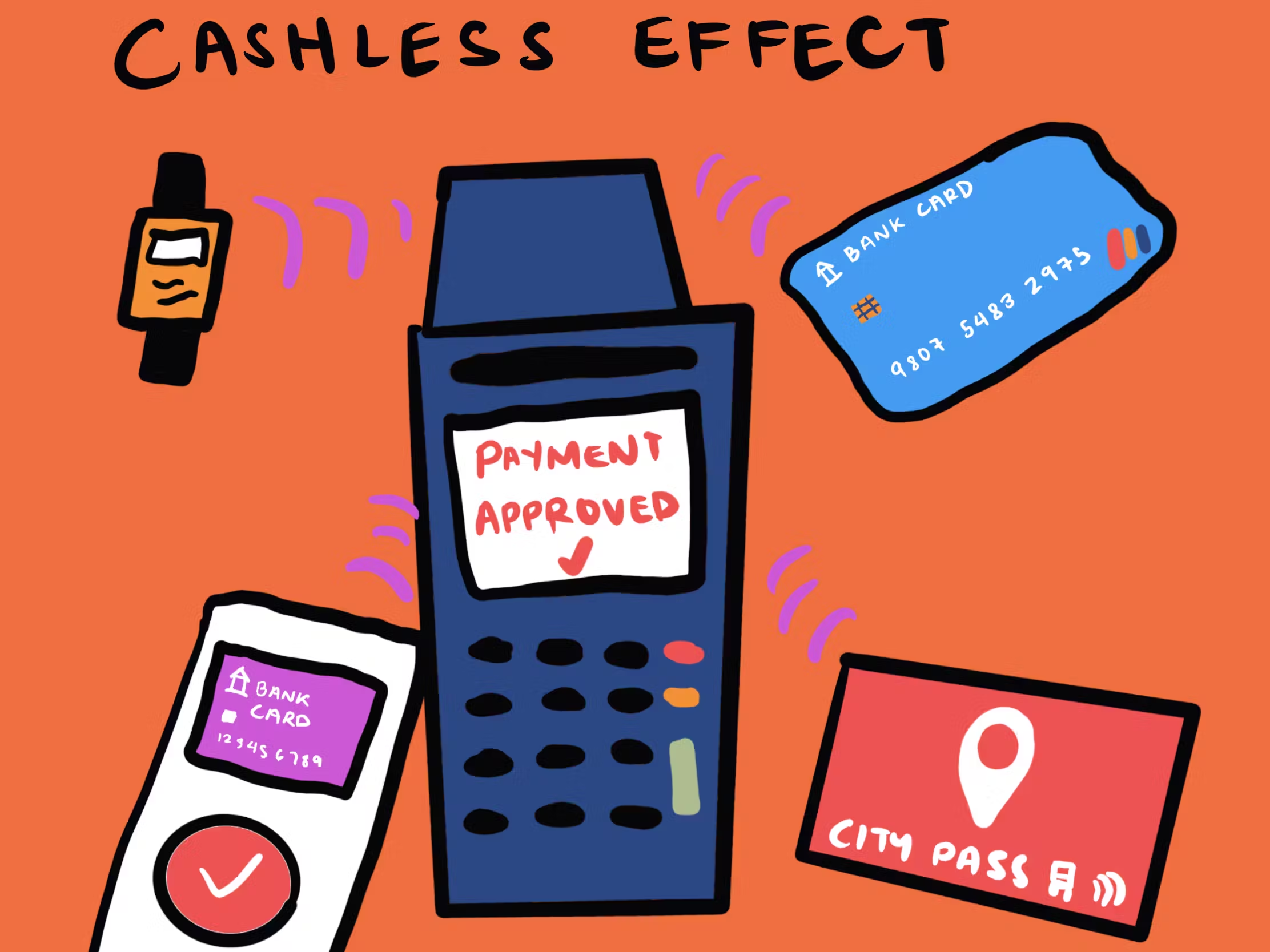
The global transition towards a cashless society is not merely a technological shift; it’s a profound transformation in how we perceive and interact with money. As digital payments become ubiquitous, they offer unprecedented opportunities to enhance financial inclusion, particularly for underserved populations. However, this evolution also presents challenges that must be addressed to ensure equitable access for all.
The Rise of Digital Payments and Financial Inclusion
Digital payment systems, such as mobile wallets, online banking, and digital currencies, have revolutionized financial transactions. In countries like India, initiatives like the Pradhan Mantri Jan Dhan Yojana (PMJDY) have facilitated the opening of millions of bank accounts, providing previously unbanked individuals with access to formal financial services.
Similarly, the introduction of the Unified Payments Interface (UPI) has simplified real-time bank-to-bank transactions, enabling users to transfer money instantly using their smartphones. This system has been instrumental in promoting financial inclusion, especially in rural areas where traditional banking infrastructure is limited.
The Role of Central Bank Digital Currencies (CBDCs)
Central Bank Digital Currencies (CBDCs) represent a significant advancement in the digital finance landscape. Unlike cryptocurrencies, CBDCs are government-backed digital currencies that aim to combine the benefits of digital payments with the stability of traditional fiat currencies.
Countries like India are piloting retail CBDCs to enhance financial inclusion by providing secure and efficient digital payment options. These digital currencies can reduce transaction costs, increase accessibility, and provide a stable alternative to volatile cryptocurrencies.
Overcoming Challenges to Digital Financial Access
While digital payments offer numerous benefits, several challenges hinder their widespread adoption:
- Digital Divide: Access to the internet and smartphones is limited in rural and underserved areas, preventing many individuals from participating in the digital economy.
- Digital Literacy: A lack of digital literacy among certain populations, including the elderly and low-income groups, poses a barrier to the effective use of digital financial services.
- Cybersecurity Concerns: As digital transactions increase, so do risks related to data breaches, fraud, and identity theft. Ensuring robust cybersecurity measures is crucial to building trust in digital financial systems.
- Infrastructure Limitations: Inadequate digital infrastructure, such as unreliable internet connectivity and limited access to digital devices, can impede the adoption of digital payment systems.
Addressing these challenges requires a multifaceted approach, including investments in digital infrastructure, financial literacy programs, and robust cybersecurity frameworks.
The Importance of Financial Literacy and Education
Empowering individuals with the knowledge and skills to manage their finances in a digital environment is essential. Financial literacy programs can help individuals understand how to use digital payment systems, manage their finances effectively, and protect themselves from fraud. Initiatives like the Financial Literacy and Inclusion Campaign in the UK aim to improve financial education among students, particularly in underserved areas.
The Future of Financial Access in a Cashless World
The move towards a cashless society holds the potential to unlock financial access for millions of individuals worldwide. By leveraging digital payment systems, governments and financial institutions can provide secure, efficient, and inclusive financial services. However, to fully realize this potential, it is imperative to address the challenges of digital access, literacy, and infrastructure.
Collaboration between governments, financial institutions, and technology providers is essential to create an inclusive digital financial ecosystem that benefits all individuals, regardless of their socioeconomic status or geographic location.