Exploring the Rise of Neobanks and the End of Physical Banking

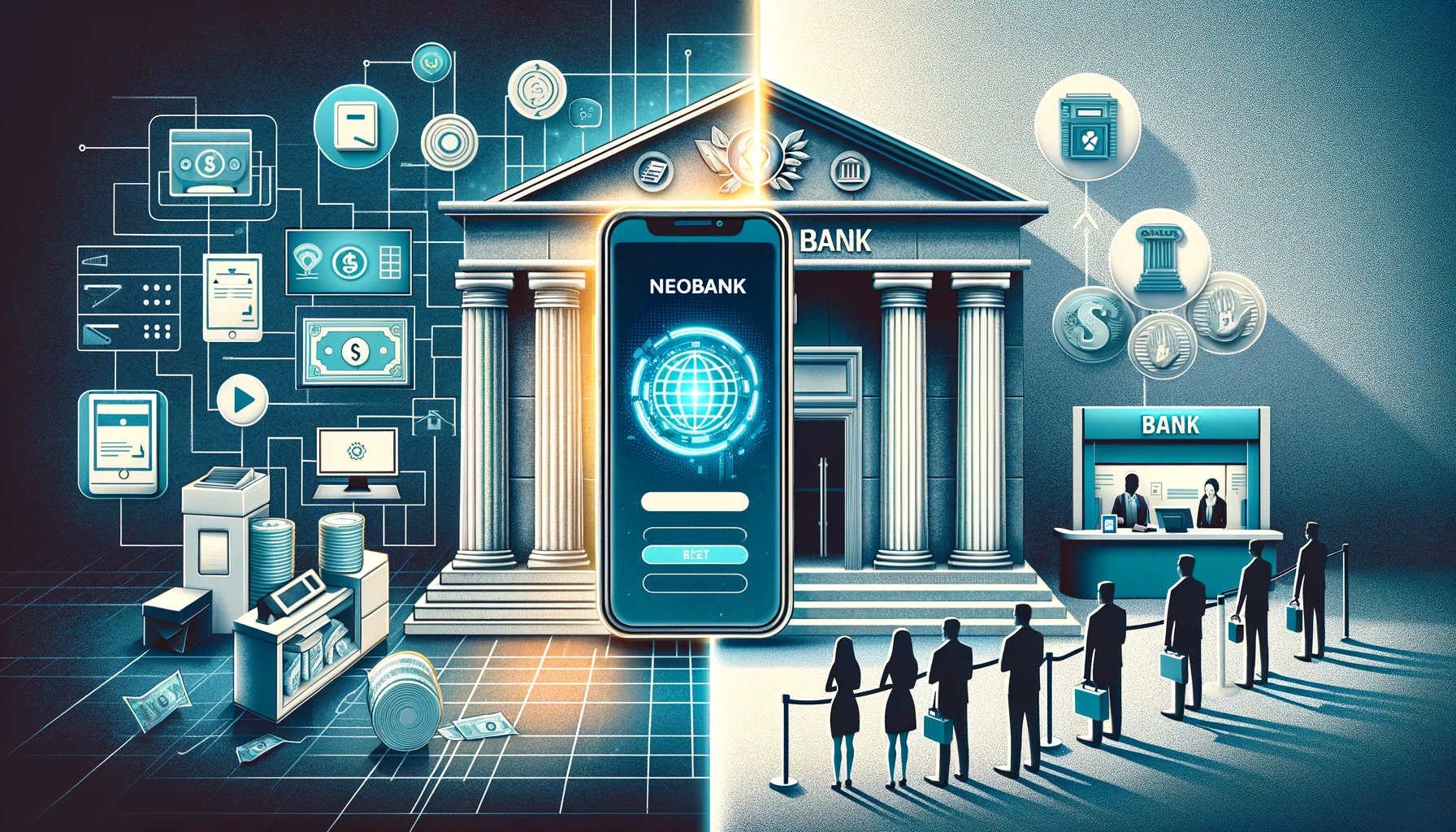
The banking industry is undergoing a seismic shift as neobanks—digital-first, branchless banks—emerge as powerful challengers to traditional banks with physical branches. This shift raises the question: Is the era of physical banking coming to an end?

What Are Neobanks?

Neobanks are financial institutions that operate entirely online without physical branches. They leverage cloud computing, mobile apps, and advanced data analytics to offer streamlined banking services—from checking and savings accounts to loans and investment products—through user-friendly digital platforms.

Why Are Neobanks Rising?

  • Customer-Centric Design: Neobanks prioritize simplicity, speed, and transparency. Their intuitive apps, quick account setup, real-time notifications, and lower fees appeal especially to younger, tech-savvy customers.
  • Cost Efficiency: Without expensive branch networks, neobanks can pass savings onto customers through lower fees, higher interest rates, and better rewards.
  • Financial Inclusion: By lowering entry barriers, neobanks provide banking access to underbanked populations globally, often integrating features like budgeting tools and financial education.
  • Pandemic Impact: COVID-19 accelerated digital adoption, forcing more customers to embrace online banking and further diminishing foot traffic to physical branches.

The Decline of Physical Branches

Traditional banks are closing branches worldwide, recognizing changing consumer preferences and the high costs of maintaining physical locations. Digital channels, remote customer service, and automated processes now handle most routine banking needs. While some branches remain for complex services and relationship banking, their role is shrinking rapidly.

Challenges Facing Neobanks

  • Regulatory Hurdles: Neobanks must navigate evolving financial regulations and build trust comparable to traditional banks.
  • Profitability Pressure: Many neobanks focus on growth over profits, raising questions about their long-term sustainability.
  • Customer Trust: Some customers still prefer physical presence for sensitive transactions, posing adoption limits in certain demographics.

The Future: A New Banking Paradigm

The rise of neobanks signals a profound transformation toward digital-first finance. Physical branches won’t disappear overnight but will increasingly serve specialized roles in a hybrid banking model. As neobanks mature, competition will spur innovation, pushing all banks to offer more personalized, efficient, and accessible financial services.

  • Related Posts

    • January 16, 2026
    The Intersection of IoT and FinTech: New Financial Possibilities

    The convergence of the Internet of Things (IoT) and FinTech is unlocking groundbreaking financial possibilities by combining vast networks of connected devices with innovative financial technologies. IoT generates continuous streams…

    • January 16, 2026
    FinTech’s Influence on Corporate Treasury Optimization

    FinTech is fundamentally reshaping corporate treasury functions by introducing innovative technologies that enhance liquidity management, cash forecasting, and risk mitigation. Traditional treasury operations, often hampered by manual processes and fragmented…

    Leave a Reply

    Your email address will not be published. Required fields are marked *

    You Missed

    The Intersection of IoT and FinTech: New Financial Possibilities

    • By admin
    • January 16, 2026
    • 386 views
    The Intersection of IoT and FinTech: New Financial Possibilities

    FinTech’s Influence on Corporate Treasury Optimization

    • By admin
    • January 16, 2026
    • 435 views
    FinTech’s Influence on Corporate Treasury Optimization

    The New Age of Financial Collaboration: FinTech Ecosystems

    • By admin
    • January 15, 2026
    • 419 views
    The New Age of Financial Collaboration: FinTech Ecosystems

    Why FinTech Should Be at the Heart of Your Digital Strategy

    • By admin
    • January 15, 2026
    • 388 views
    Why FinTech Should Be at the Heart of Your Digital Strategy

    The Impact of FinTech on Financial Data Transparency

    • By admin
    • January 14, 2026
    • 402 views
    The Impact of FinTech on Financial Data Transparency

    Transforming Wealth Management with FinTech Innovations

    • By admin
    • January 14, 2026
    • 365 views
    Transforming Wealth Management with FinTech Innovations

    Unlocking Liquidity with FinTech in Corporate Markets

    • By admin
    • January 13, 2026
    • 351 views
    Unlocking Liquidity with FinTech in Corporate Markets

    How FinTech is Accelerating Regulatory Compliance for Firms

    • By admin
    • January 13, 2026
    • 341 views
    How FinTech is Accelerating Regulatory Compliance for Firms

    The Rise of Decentralized Finance (DeFi) in Corporate Finance

    • By admin
    • January 12, 2026
    • 394 views
    The Rise of Decentralized Finance (DeFi) in Corporate Finance

    Leveraging Big Data to Drive Financial Strategy with FinTech

    • By admin
    • January 12, 2026
    • 363 views
    Leveraging Big Data to Drive Financial Strategy with FinTech

    Decoding Fintech: Tools Reshaping Personal Finance

    • By admin
    • January 9, 2026
    • 379 views
    Decoding Fintech: Tools Reshaping Personal Finance

    The Cashless Shift: Future of Payments in a Digital Age

    • By admin
    • January 9, 2026
    • 355 views
    The Cashless Shift: Future of Payments in a Digital Age

    Beyond Banks: Exploring the Fintech Revolution

    • By admin
    • January 8, 2026
    • 340 views
    Beyond Banks: Exploring the Fintech Revolution

    Banking on the Future: How Tech is Transforming Finance

    • By admin
    • January 8, 2026
    • 417 views
    Banking on the Future: How Tech is Transforming Finance