Technology changed the rules of finance. We write about what comes next. The way money moves, grows, and is managed today is no longer confined to traditional banks or outdated infrastructures. Instead, it is increasingly defined by software, data, and innovation that constantly reshape access, speed, and security. From blockchain’s promise of decentralization to AI-powered credit scoring, technology has not just enhanced finance—it has rewritten its playbook entirely. But these changes raise new questions: What will the future of finance look like? How will regulation evolve? Who benefits, and who might be left behind? Our mission is to answer these questions by digging deep into the technologies, trends, and stories that define tomorrow’s financial landscape, bringing clarity to the complex world at the intersection of finance and technology.
Technology Changed the Rules of Finance
Technology changed the rules of finance. We write about what comes next. The financial landscape that once relied on paper ledgers, face-to-face transactions, and slow processing times has been transformed by a surge of digital innovation. Now, every aspect of finance—from payments and lending to investing and risk management—is powered by software, data, and algorithms working behind the scenes in real time. These technologies have opened the door to greater accessibility, faster transactions, and new financial products that reach millions worldwide. Yet, as this digital revolution accelerates, it raises critical questions about security, fairness, and control. Who truly benefits from these advances? How do regulators keep pace with innovation without stifling it? And what does the future hold as emerging technologies like blockchain, artificial intelligence, and decentralized finance continue to evolve? Our mission is to illuminate these questions and uncover the stories behind the code that is reshaping finance for the next generation.
Democratizing Access to Financial Services
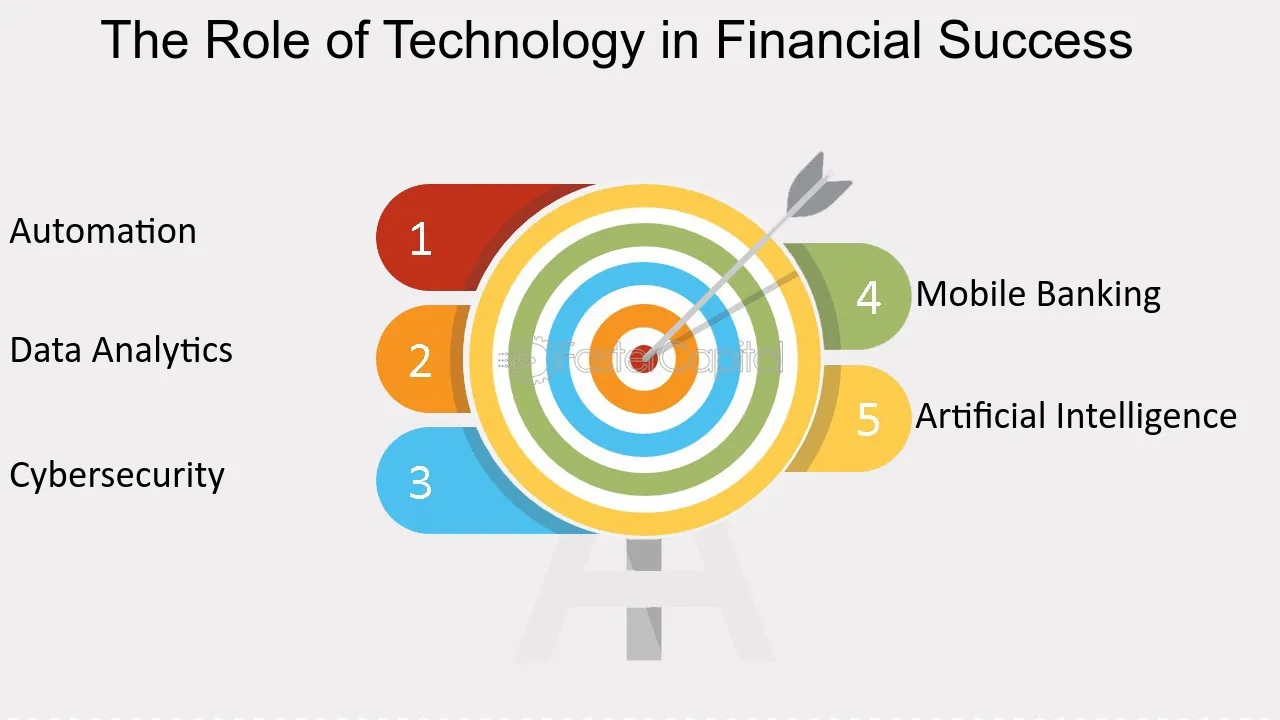
Technology has democratized access to financial services in ways previously unimaginable. Mobile banking apps now bring full banking capabilities to remote and underserved regions, while peer-to-peer lending platforms connect borrowers directly with lenders, bypassing traditional gatekeepers. Embedded finance, powered by APIs, is turning everyday experiences—shopping, traveling, even playing games—into opportunities for instant payments, microloans, or insurance coverage, seamlessly integrated into the user journey. This expansion creates new economic possibilities but also introduces fresh risks: cybersecurity threats, data privacy challenges, and the potential for widening inequalities if technology is not deployed responsibly. Understanding how these innovations work—and how their benefits can be fairly distributed—is essential for building a more inclusive financial future.
Navigating Ethical Challenges in Innovation
Alongside rapid innovation comes a pressing need for ethical oversight. Automated algorithms that make lending decisions or detect fraud carry the risk of bias, potentially disadvantaging vulnerable populations. The increasing volume and sensitivity of financial data demand robust privacy protections and transparent usage policies. Moreover, the speed of technological change often outpaces regulation, leaving gaps that can be exploited or cause unintended consequences. Industry leaders, policymakers, and advocates are engaged in a complex balancing act—fostering innovation while safeguarding fairness and trust. Tracking this evolving ethical landscape is critical to ensuring that technology serves everyone, not just a privileged few.
The Future of Finance: Collaboration and Innovation
The future of finance is a story of continuous change and collaboration. Banks, fintech startups, regulators, and technology companies are forging new partnerships and ecosystems, blending trust and agility to deliver seamless, secure financial experiences. From decentralized finance platforms offering programmable money to AI systems personalizing financial advice, the horizon is rich with possibilities and challenges alike. Staying informed about these trends equips consumers, businesses, and regulators to adapt proactively rather than reactively, helping shape a financial system that is resilient, innovative, and equitable.
Conclusion
Technology has rewritten finance’s rulebook, but the story is far from over. What comes next will define how money works, who controls it, and how it flows around the world. Our commitment is to bring you deep insights and clear reporting from this fast-moving frontier, helping you navigate the future of finance with confidence. The new era of money is here, and together, we’ll explore every chapter as it unfolds.