In 2025, fintech lenders are rapidly adopting alternative data strategies to assess the creditworthiness of Gen Z borrowers—who often lack traditional credit histories. By analyzing a broader range of digital signals including transaction behavior, rent and subscription payments, education records, employment data, and even social media patterns, these lenders are breaking away from outdated credit scoring models that have long excluded young, thin-file consumers. This alternative-data approach is reshaping how creditworthiness is defined, allowing more Gen Z individuals to qualify for loans, credit cards, and financing tools for the first time. With trust in traditional banking systems already low among this generation, fintech lenders using innovative, data-driven models are meeting Gen Z where they are—online, mobile-first, and financially independent.
1. The Limitations of Traditional Credit Models
Conventional credit scoring relies heavily on long-term borrowing behavior, credit card usage, and repayment history—data that Gen Z, many of whom are recent graduates or just entering the workforce, may not have. As a result, millions are either under-scored or unscored altogether, making it difficult to qualify for loans or build financial independence early in life. Fintechs are challenging this system by using real-time financial behavior rather than legacy debt data.
2. Types of Alternative Data in Use
Fintech lenders now analyze:
- Bank transaction patterns (income flow, spending habits, overdraft frequency)
- Rent, utility, and mobile phone payments
- Subscription services and recurring payments
- Employment and freelance income records
- Educational background and career trajectory
- Behavioral and mobile usage metrics (e.g. app usage, device location stability)
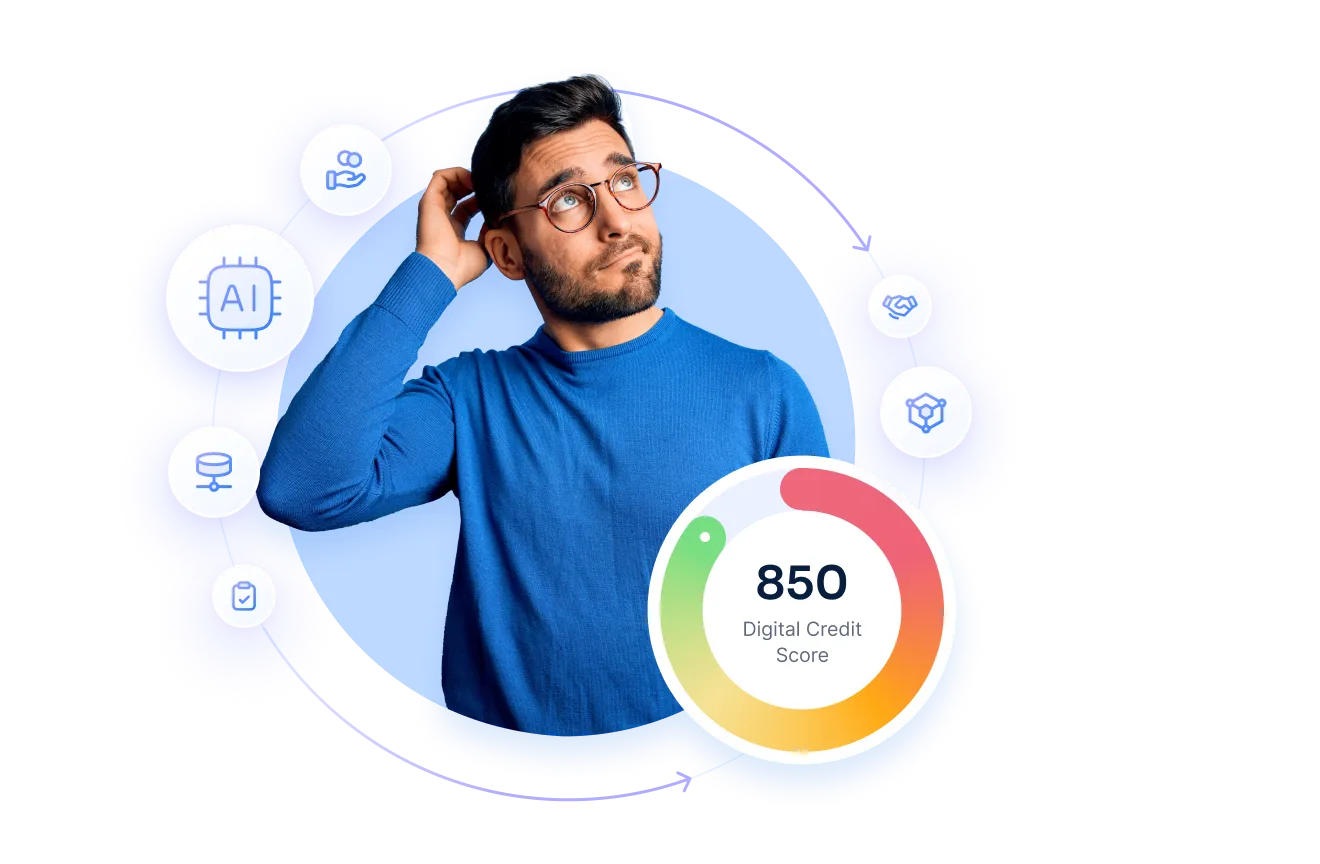
By aggregating and modeling these signals using AI and machine learning, lenders can build dynamic risk profiles that are often more accurate than traditional scores for younger borrowers.
3. Empowering Gen Z Borrowers
This new model gives Gen Z greater access to credit products tailored to their lifestyles—such as microloans, BNPL (Buy Now, Pay Later) plans, and credit-builder cards—without needing to first accumulate debt. Some platforms even reward positive financial behaviors, such as saving, budgeting, or timely subscription payments, with better terms. This helps young adults establish healthy credit habits early on and reduces dependency on predatory lending channels.
4. Challenges and Ethical Considerations
Using alternative data raises concerns around privacy, data security, and potential algorithmic bias. If not handled responsibly, this approach can entrench new forms of discrimination based on non-financial behaviors. Regulators are stepping in with new standards on data consent, transparency, and fairness in AI credit models. For fintechs, ethical design and clear user communication are becoming competitive differentiators.
Conclusion
By tapping into alternative data, fintech lenders are rewriting the rules of credit for Gen Z—a generation that lives digitally but often lacks traditional financial footprints. This shift not only expands access to credit but also lays the foundation for a more inclusive, behavior-based financial system. As fintechs continue to innovate, the challenge will be to maintain trust, privacy, and fairness while using data creatively. For Gen Z, this evolution signals a financial future that finally speaks their language—real-time, mobile, and personalized.